


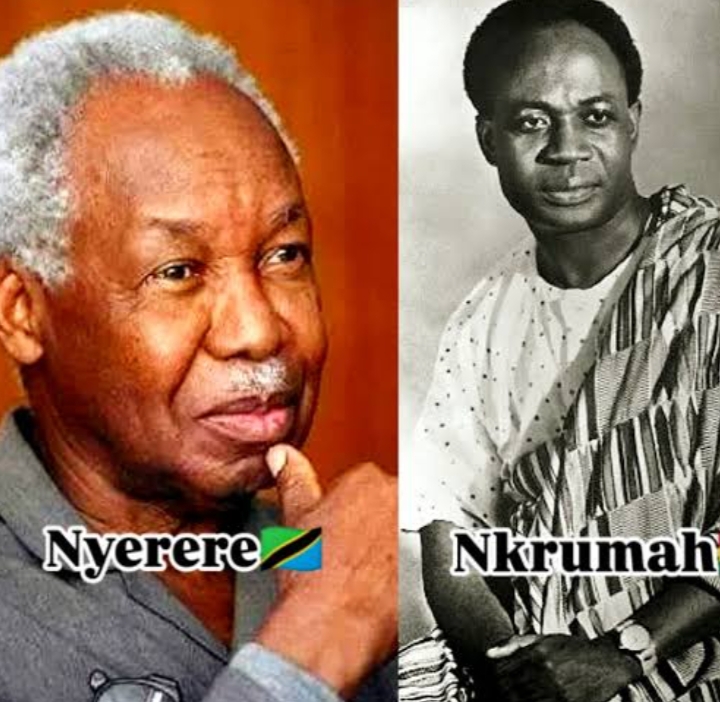
In 1963, Africa faced a fundamental choice.
Kwame Nkrumah said: UNITE NOW.
One government. One foreign policy. One army. A common currency. A United States of Africa.
Julius Nyerere argued: BUILD FIRST.
Strengthen independent nations, develop regional blocs, and gradually construct a unified continental framework.
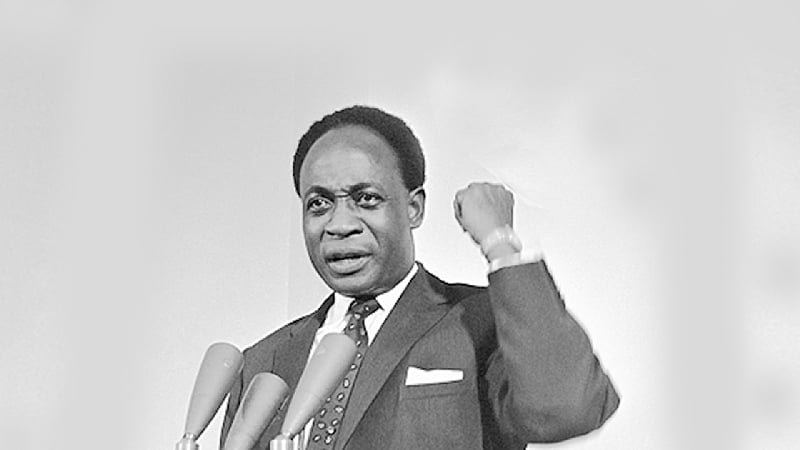
The difference was not whether Africa should unite.
It was how—and how fast.
Nkrumah feared that waiting would allow colonial-era borders and competing national interests to become permanent.
Nyerere favored a gradual path, arguing that African unity had to be built on strong national and regional foundations.
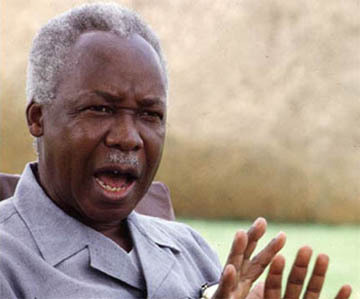
Arthur Mutambara argues that Nyerere’s approach ultimately prevailed—and that decades later, Africa is still struggling to move beyond cooperation between sovereign states toward genuine political union.
His historical comparison is provocative: the United States became a federation because its states ultimately accepted a higher federal sovereignty.
So here is the question Mutambara puts before Africa:
Can you build a United States of Africa while every country insists on keeping its own ultimate sovereignty?
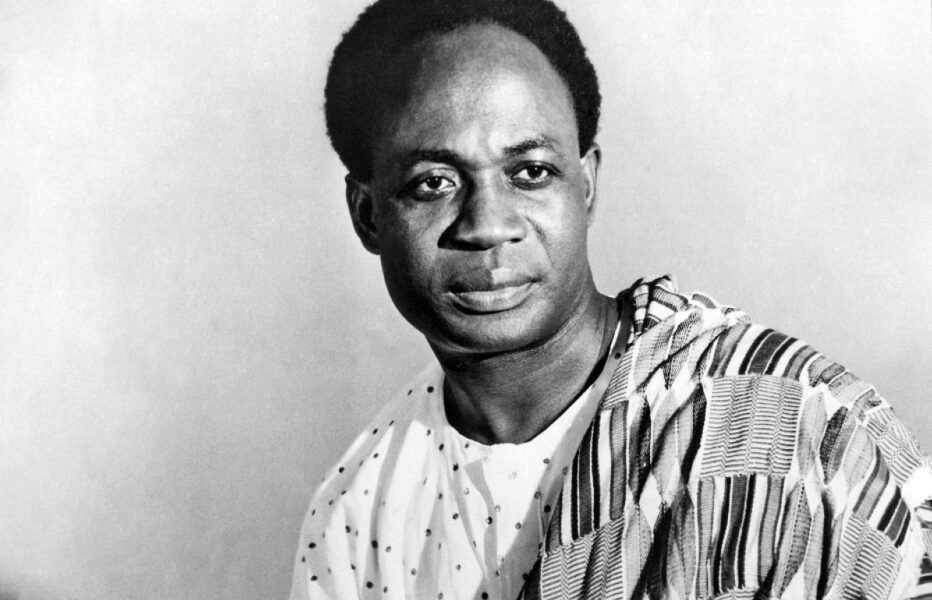
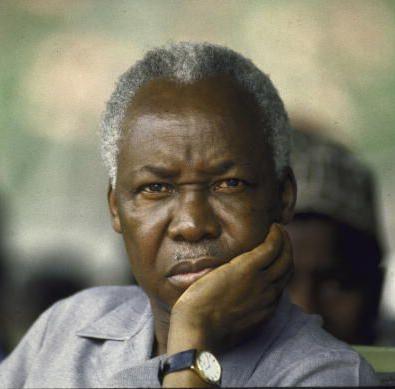
Or does continental unity require Africans to surrender some national power in order to create something bigger?
Nkrumah wanted one Africa first. Nyerere wanted to build toward it.
More than six decades later, that debate is still alive.
#ArthurMutambara #KwameNkrumah #JuliusNyerere #AfricanUnity #PanAfricanism
Editor’s pick:
Here are the fundamental questions.
How has African Union (AU), as a Continental body fared? What is the real relationship between Anglo and Franco-Africans on the continent?
Can the current heads of States and presidents in Africa outrightly agree on one common goal, without external influence?
These are minut of many fundamental arguments that would give credence to an achievable one big United States of Africa.