

Toxic pesticides in food: NAFDAC warns of health risks, finds dangerous residues in beans in Nigeria
… Intercepts 67,428 litres of paraquat
By Editor
The Nigeria’s National Agency for Food and Drug Administration and Control, (NAFDAC), has warned that the continued circulation and misuse of banned pesticides in Nigeria pose serious threats to public health, raising concerns over the detection of pesticide residues above permitted safety limits in some samples of beans meant for consumption in the country.
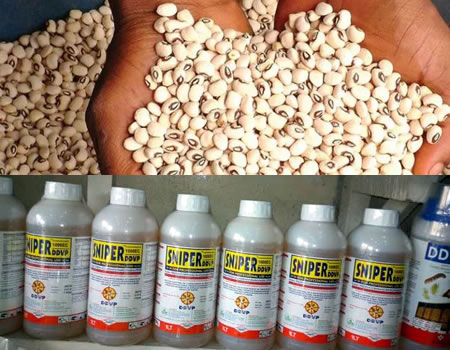
The agency disclosed that it had seized banned agrochemicals worth more than ₦800 million in Ogun, Ondo, Osun and Oyo states in 2025, while a separate operation in Kebbi State led to the interception of 67,428 litres of paraquat, a prohibited pesticide, alongside banned atrazine products.
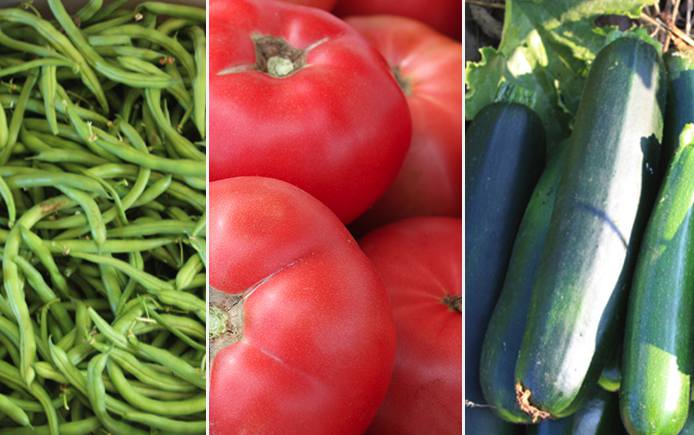
NAFDAC also revealed that a recent market study detected residues of pyrethroids and dimethoate above permitted safety limits in some bean samples, underscoring concerns about the use of agricultural chemicals to preserve harvested produce.
The Director-General of NAFDAC, Prof. Mojisola Adeyeye, who raised the alarm at a media briefing on pesticide use in agricultural produce in Lagos, said the agency was intensifying surveillance, enforcement and public education to rid the Nigerian market of banned, unregistered, falsified and improperly used pesticides.
She said: “NAFDAC is not against the responsible use of pesticides. Rather, the agency seeks to ensure that pesticides sold or used in Nigeria are safe, approved and compliant with regulatory requirements.”
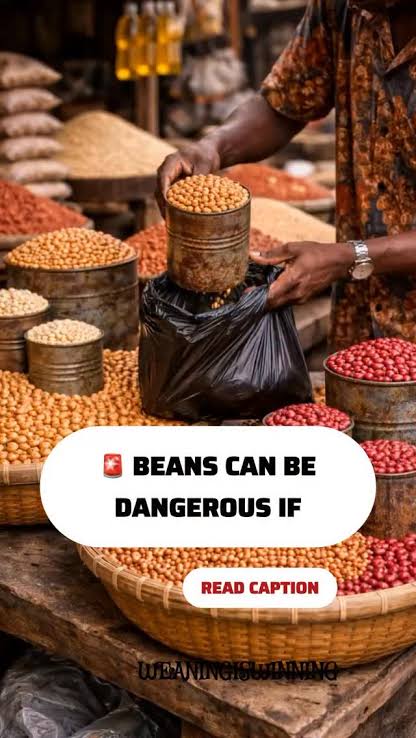
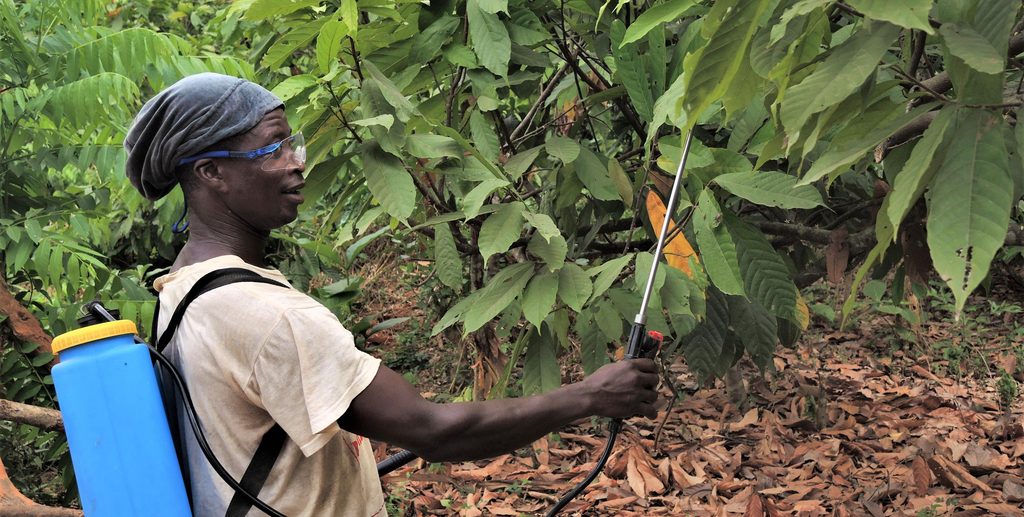
She warned that although pesticides were important for crop protection and agricultural production, improper application, excessive use and failure to observe prescribed waiting periods before harvesting could expose farmers, consumers and the environment to harmful chemicals.
“Improper pesticide use can cause serious health problems, including death. Some effects may not appear immediately but can develop gradually over time,” she stated.
Adeyeye explained that the agency’s concern extended beyond the illegal importation and sale of prohibited chemicals to the misuse of approved pesticides, which could leave dangerous residues on food consumed by Nigerians.
The NAFDAC boss said the recent market study on beans revealed residues of pyrethroids and dimethoate exceeding applicable safety limits in some samples.
She explained that dimethoate was not approved for preserving harvested beans against pests such as weevils, stressing that chemicals approved for use on crops in the field could not automatically be used for post-harvest preservation.
While certain pyrethroids were permitted for post-harvest storage under approved conditions, Adeyeye said users must observe the prescribed withholding period before the produce was consumed.
She identified common pesticide misuse practices as applying chemicals in quantities above recommended levels, using products on crops or against pests for which they were not approved, harvesting before the required pre-harvest interval and mixing products improperly.
Other dangerous practices, she said, included storing pesticides alongside food, animal feed or household items, reusing empty pesticide containers for domestic purposes and improperly disposing of chemical residues and containers.
“Food safety begins on the farm,” Adeyeye said, urging farmers to purchase approved products, follow label instructions, apply recommended quantities and observe all safety precautions.
She said protecting Nigerians from harmful pesticide residues required responsible practices across the agricultural value chain, from manufacturers and importers to distributors, agro-input dealers and farmers.
Adeyeye disclosed that the phase-out periods for pesticides containing paraquat, chlorpyrifos and atrazine ended on January 1, 2026.
She said the chemicals could no longer legally be manufactured, imported, distributed, sold or used in Nigeria under the agency’s completed regulatory measures.
According to her, NAFDAC reviewed registered pesticide active ingredients in 2022 using scientific evidence, its Automated Product Administration and Monitoring System database, and input from relevant experts and stakeholders.
The review considered risks to human health and the environment, applicable national regulations and international requirements.
Adeyeye also disclosed that NAFDAC had restricted the 100ml pack size of dichlorvos, prohibiting its importation, manufacture and open-market or supermarket sale following concerns about misuse on agricultural produce and its use in suicide.
Other permitted pack sizes, she said, remained subject to applicable regulatory controls.
The Director-General said the agency was strengthening collaboration with government institutions and law enforcement authorities to identify, seize and remove illegal pesticides from circulation and prosecute offenders where applicable.