

Chris Onuoha
Every October 1, lovers of beverage brand, coffee all over the world celebrate it to honour the producers and promote the brand as a unique drink. And as the world set to mark the Coffee Day, a Nigerian Coffee producing company, Miyagi Nigeria limited, with a brand called, “Everything But Coffee (EBC) steps up to revive the long neglected coffee culture in the country.
Coffee, as a special beverage, is well consumed in Nigeria, but the brand still holds the popular misconception that it’s elitist delight.
Recall, coffee that existed since 19th century when the country’s natural resources were dominated by agricultural produce is still very much with us, despite the adverse effect of oil discovery that disrupted its market values. The crop, introduced by the colonist, fared well on the high altitude area of Mambila in Plateau State and part of Cross River State, as planting base, but suffered setbacks because of oil boom.
Besides, its social relevance and acceptance as part of our cultural heritage, did not diminish, but general acceptance was on a low ebb because of its social value as an expensive beverage drink for the rich.
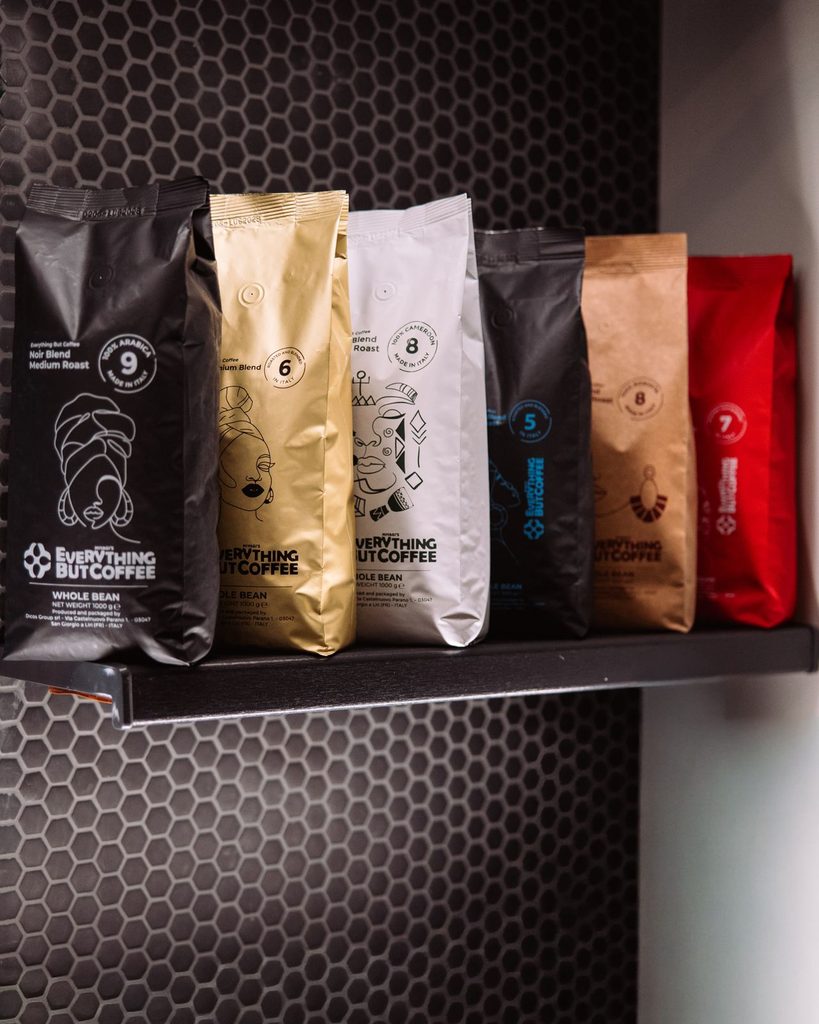
In a bid to revitalize this coffee culture back in Nigeria, Miyagi Nigeria Limited, embarked on a project that would redefine the once celebrated heritage back to where it belongs.
With a brand name, “Everything But Coffee”, the premium coffee brand has come to change the perception that portrays coffee as an imported lifestyle or expensive beverage exclusively for the elite. Contrary to the widespread notion that Nigerians are not coffee drinkers, the company noted that market realities tell a different story.
Making this known in a media chat in Lagos, EBC Managing Director, Nnenna Samuila, explained that the spirit behind the revitalization of coffee culture is to bring back what the oil boom pushed back, adding that the country should not be left behind when the coffee market is huge in the global space.
“We have always thought in Nigeria that coffee beverage is something foreign, while it all started and grown here during the agricultural boom.
“We also, want to correct the impression that the beverage brand is foreign and expensive, when it should be affordable. Although I acknowledge that fact that it’s not a drink for the masses but we want to give Nigerians good coffee that is affordable.
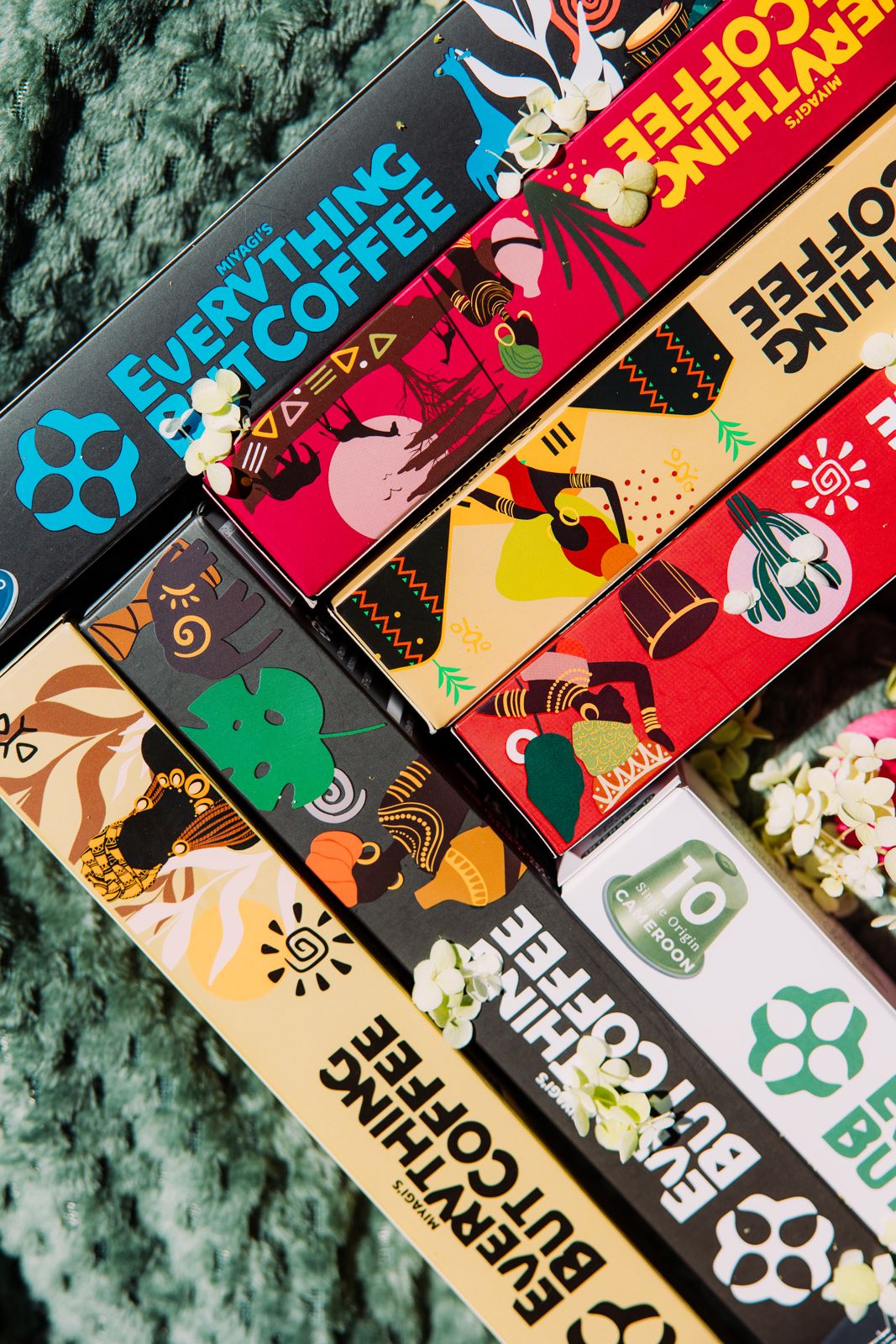
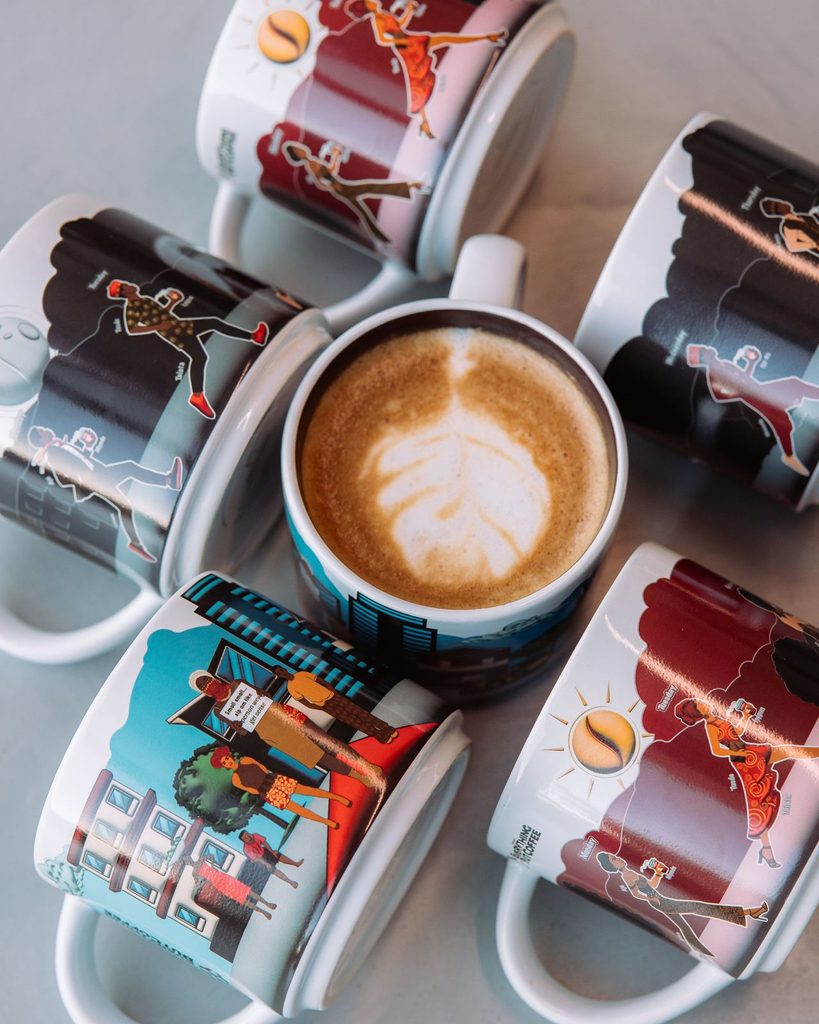
“This is more about us promoting that which is African. Our packaging is intentionally designed to reflect African heritage. The images are pure cultural representation of who we are as a people. This is simply Africa in a cup,” she noted.
Samuila also disclosed that the product, EBC, is validated by the country’s health agency, National Agency for Food and Drug Administration and Control (NAFDAC) for consumption in the country. According to her, “This rekindles the confidence that coffee, branded in Nigeria should wear the toga of global acceptance, while joining the big industry players in the market.
“We strive to recreate the impression that coffee is not foreign but indigenous. The brand carries that confidence of indigenous touch.”
Ultimately, the launch of the brand will coincide with celebration of International Coffee Day in Lagos beginning on Monday, September 28. The company aims to make coffee culture bigger and to restore Nigeria’s place in Africa’s coffee narrative.
She said; “As International Coffee Day approaches, EBC sees the occasion as more than a promotional event. It is a public declaration that the brand is ready to lead a new chapter in Nigeria’s coffee journey.”
Explaining what inspires the project, Samuila stated: “What bothered me so much was the abuse of the average person with a wrong perception of coffee drink. This made it seem like coffee was such an expensive drink to have whereas it’s actually not true,” she stated.
Speaking further, she noted that inspirational behind the brand was established during her travels and work experience in corporate firms.
“This came as a result of my extensive travels and research including working in corporate organizations that value the beverage drink as special delight at meal time. While several African countries had earned international recognition for their coffee sectors, Nigeria appeared to have lost touch with its own legacy.
“During my travels, I noticed that all the other key players in Africa were getting all the recognition for coffee when the production actually started here, but was neglected.
“That realisation ultimately gave birth to EBC, as a brand determined not only to serve high-quality coffee but also to educate consumers while building a sustainable coffee culture,” she added.
Samuila also mentioned that with regulatory hurdles cleared, EBC is now stepping out more boldly into the public space through its International Coffee Day activation, an event designed to introduce Nigerians to the world of specialty coffee through hands-on experiences, demonstrations, tastings and education.
She said the event will allow visitors to brew coffee themselves, interact with coffee-making equipment, and learn practical preparation techniques, and also to feel other packages in capsules.
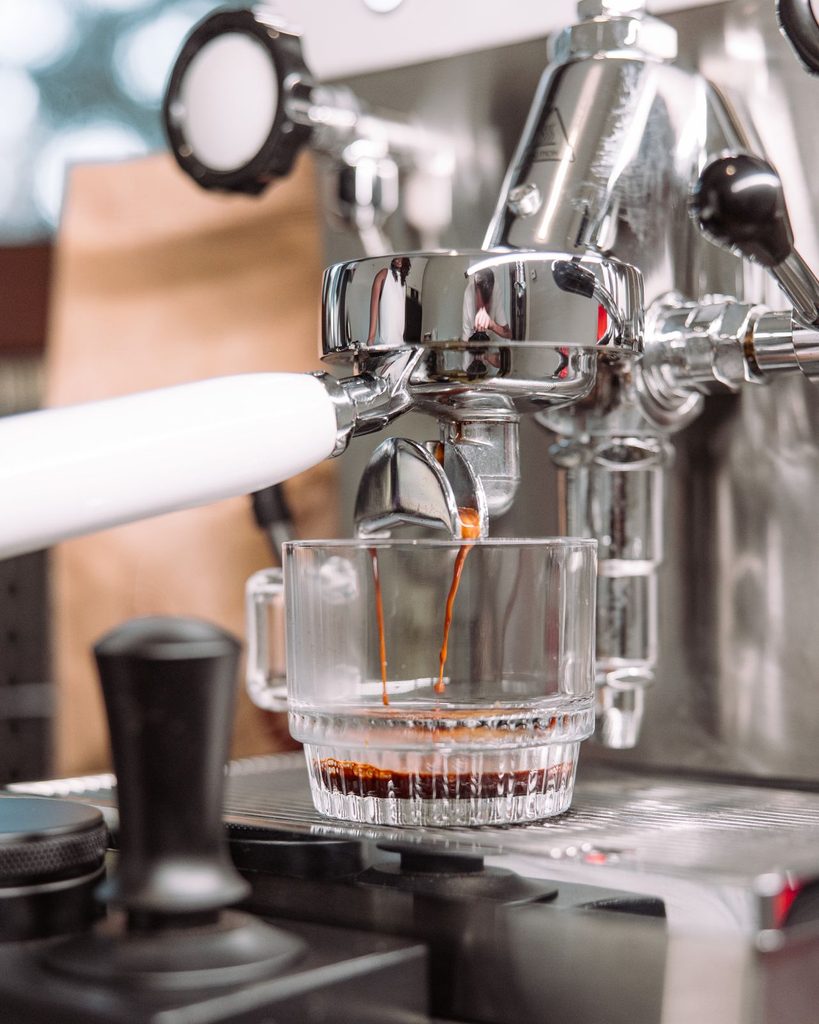
Samuila explained that EBC’s strategy is to allay the belief that quality coffee requires expensive machines and complicated brewing methods, noting that they are introducing simpler way of preparing quality brewed coffee with hand-on machines.
“Beyond retail ambitions, EBC is positioning as potential participant in the revival of Nigeria’s coffee ecosystem,” remarked Samuila.
She said that although current supplies are sourced from other African coffee-producing nations from East Africa, she believes the company hopes to eventually support a return to large-scale Nigerian coffee production through awareness and advocacy.
“The trajectory of the business is outside-in. The idea is that coffee is available, accessible, people can buy it, they can order it online, and then eventually we can reduce imports and take from our own farmland,” stated Samuila.
For her, the ultimate goal extends beyond market share and sales. She believes that coffee, is about connection, culture, and conversation.
“Coffee historically is synonymous with freedom, expression and art. It is very sentimental, bonding and about experience. It’s about meeting people, engaging and talking.”