

By Chris Onuoha
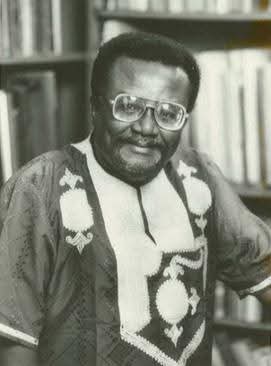
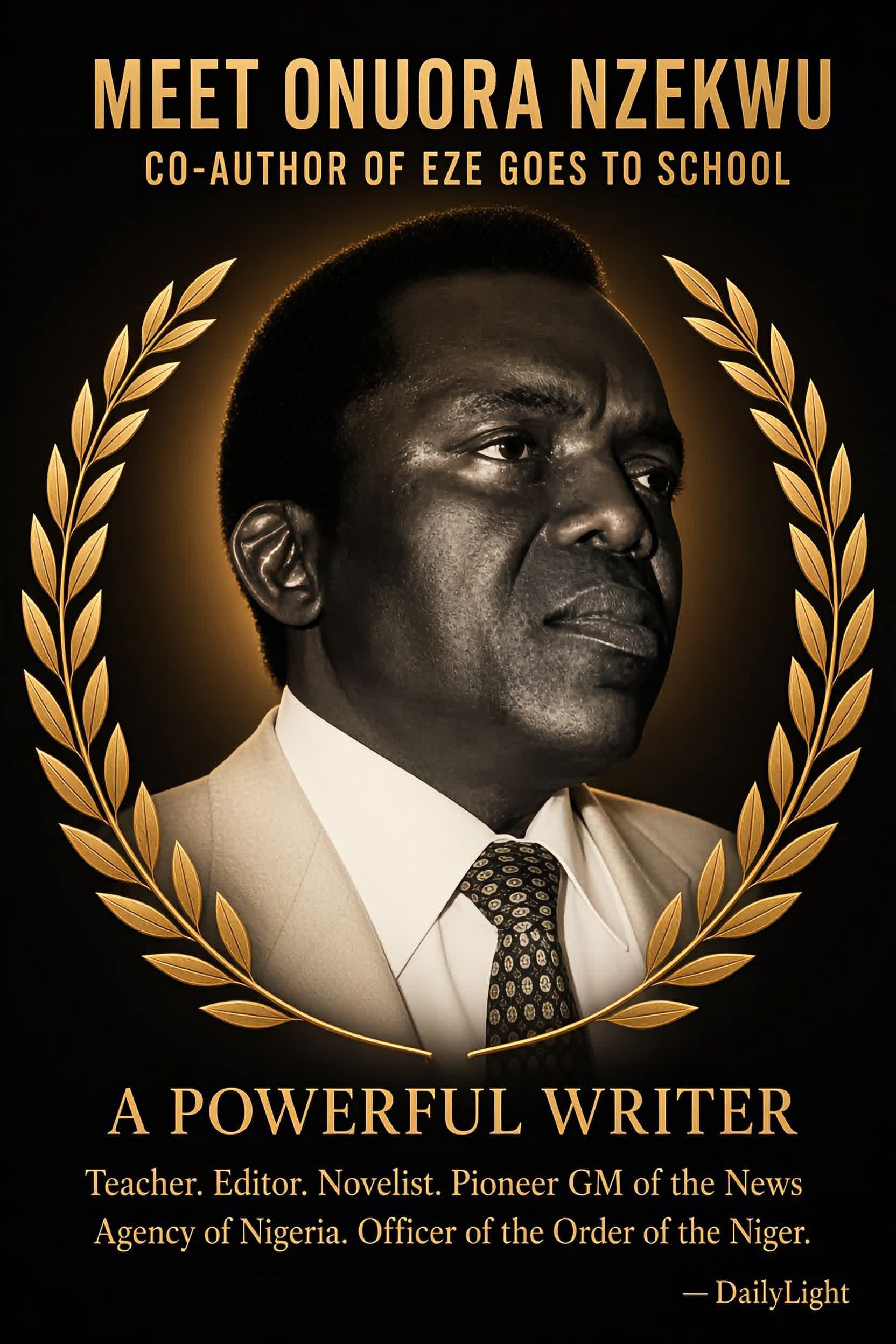
MEET ONUORA NZEKWU: THE MAN WHO GAVE NIGERIAN CHILDREN EZE GOES TO SCHOOL
Before many Nigerian children knew the name Onuora Nzekwu, they already knew Eze.
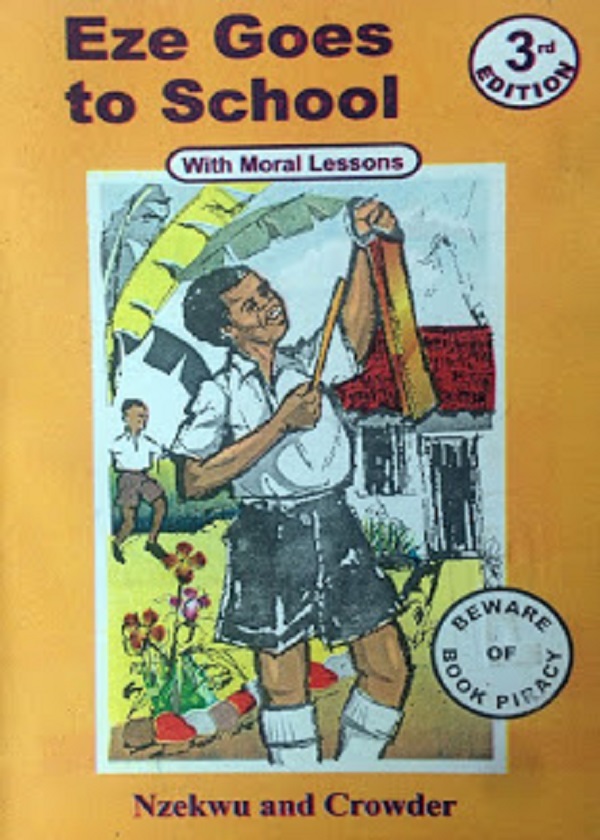
For generations of Nigerian students, Eze Goes to School was more than just a book.
It was a childhood memory.
A story carried through classrooms, examinations, and school days.
It was one of those books that made Nigerian children see a reflection of themselves — their environment, their struggles, their dreams, and their journey toward education.
But behind the young boy named Eze was a man whose own story was just as remarkable.
A teacher.
A writer.
A journalist.
A cultural historian.
His name was Onuora Nzekwu.
And this is why DailyLight keeps digging up our history.
Because history is not only about those who held political power.
It is also about the quiet people who shaped generations without always receiving the recognition they deserved.
Onuora Nzekwu was born on 19 February 1928 in Kafanchan, Kaduna State, into an Igbo family whose roots came from Onitsha, present-day Anambra State.
His journey did not begin with fame.
It began in the classroom.
In 1946, he obtained his Teachers’ Higher Elementary Certificate and spent about nine years teaching.
Before he became the man who would inspire millions of Nigerian readers, he was first a teacher standing in front of young Nigerians, helping shape their minds.
In 1956, Nzekwu joined the Federal Civil Service as an editorial assistant at the Nigeria Magazine division of the Federal Ministry of Information.
At the time, Nigeria Magazine was an important platform documenting Nigerian culture, arts, and identity.
Within a few years, he rose through the ranks and became editor of the publication.
But while he was helping preserve Nigeria’s stories through journalism, he was also creating his own stories through literature.
In 1961, he published his first novel, Wand of Noble Wood.
The book explored the tension between traditional beliefs and the changing world brought by Western education and Christianity.
He followed it with Blade Among the Boys in 1962 and Highlife for Lizards in 1965.
These works showed that Nzekwu was not only a writer for children.
He was a serious novelist who used literature to examine identity, culture, and the challenges facing Nigerian society.
Then came the book that made his name unforgettable.
In 1963, Onuora Nzekwu and British historian Michael Crowder published Eze Goes to School.
The story followed a Nigerian boy’s journey through education and the challenges surrounding it.
At a time when many school stories Nigerian children read were about foreign experiences, Nzekwu helped create a story where Nigerian children could recognise their own world.
Eze was not just a character.
For many Nigerians, Eze was a piece of childhood.
The book became one of the most remembered school readers in Nigeria, introducing generations of students to the joy of reading.
The story continued with Eze Goes to College, extending the journey of the character who had already become part of Nigerian educational memory.
But the man behind Eze was much bigger than one famous book.
Nzekwu also became a guardian of culture.
In The Chima Dynasty in Onitsha, he documented the history of Onitsha through the reigns of its monarchs.
In Faith of Our Fathers, he preserved aspects of Onitsha traditional beliefs, arts, social institutions, and values.
He was not just writing stories.
He was preserving a people’s memory.
His contribution to Nigeria went beyond literature.
He became the pioneer General Manager of the News Agency of Nigeria (NAN), helping lay the foundation of one of Nigeria’s major news organisations.
Former colleagues remembered him as a leader who helped build the agency.
In 2006, during NAN’s 30th anniversary, he was honoured with a plaque carrying the words:
“Maker of NAN.”
In 2008, he received the national honour of Officer of the Order of the Niger (OON).
Nzekwu’s life was also deeply connected to Onitsha.
In 1960, he married Onoenyi Justina Ogbenyeanu, daughter of Chief Isaac Aniegboka Mbanefo, Odu II of Onitsha.
In 1991, he was inducted into the Agbalanze Society of Onitsha, recognising his place within the traditional institution of his people.
Even after decades of service, he continued writing.
His later work Troubled Dust explored experiences connected to the Nigerian Civil War, showing that his interest in documenting Nigeria’s story never ended.
On 21 April 2017, Onuora Nzekwu died in Onitsha at the age of 89.
But writers like him do not truly disappear.
They live every time someone opens their books.
Every time an old student remembers Eze Goes to School.
Every time a Nigerian child discovers that their own stories deserve to be written.
This is why DailyLight keeps digging up our history.
Because a nation is built not only by presidents and generals.
It is built by teachers who educated generations.
Writers who gave people a voice.
Journalists who built institutions.
And ordinary-looking people whose work quietly changed millions of lives.
Onuora Nzekwu was one of those people.
The teacher.
The storyteller.
The historian.
The man who gave Nigerian children an Eze they could call their own.
DAILY