


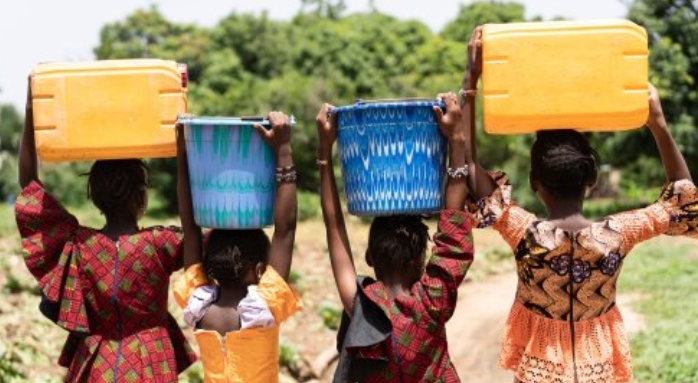
…as public kicks on FG’s laxity on policy implementation
By Chris Onuoha
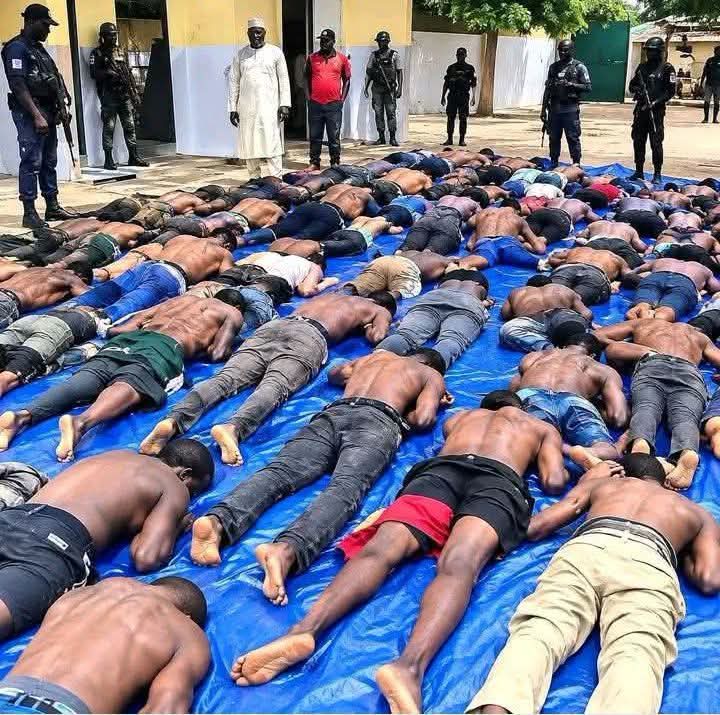
Amidst the heightened tension and public discourse resulting from the death of 37 miners at Nigeria Security and Civil Defense Corp NSCDC’s custody in Minna, Niger State, calls have reached heights to tackle the main issues than nip in the bud.
Although global Rights Activists and civil rights organizations have stepped up calls for proper investigation into the cause. Government, on its own, is also looking inwards to strengthen loopholes in policies.
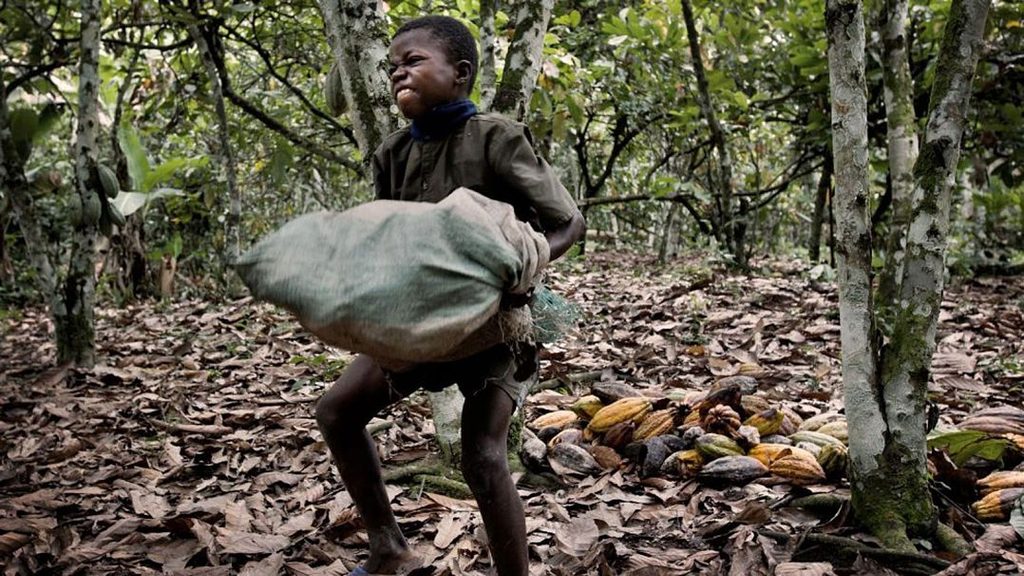
Among intervention from the public side, comes a call from the Federal Ministry of Labour and Employment, issuing a warning and mandating authorities concern, to put an end to child labour.
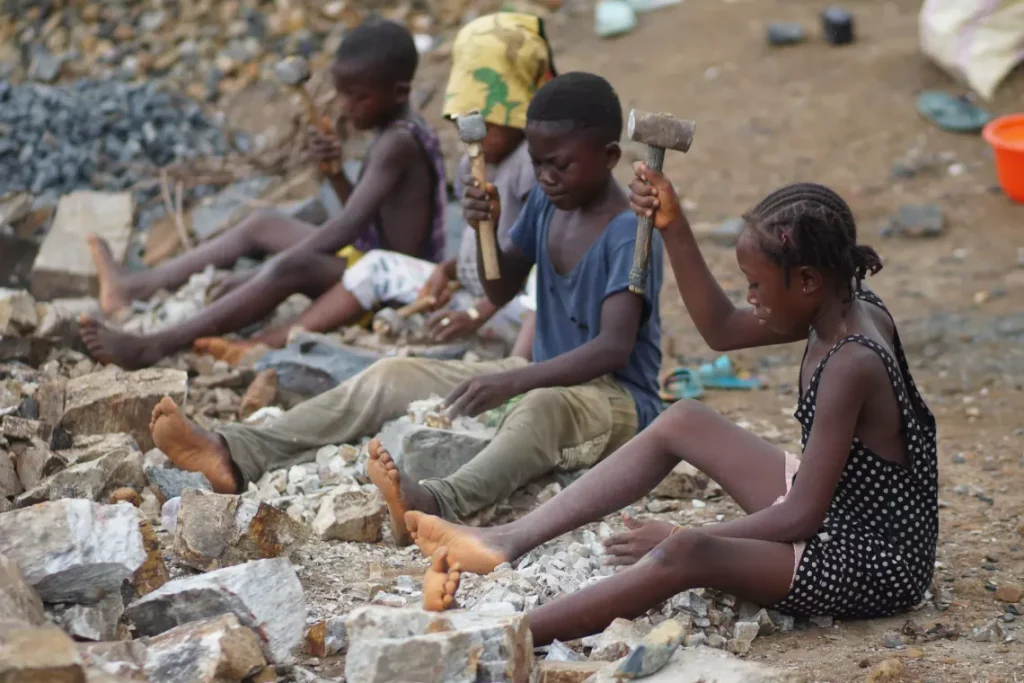
The Permanent Secretary, Federal Ministry of Labour and Employment, Dr Kamil Shoretire, in a statement to the media at a training workshop in Abuja, Tuesday, explaining that the Federal Government has declared child labour intolerable in Nigeria.
Shoretire stated that FG branding it a criminal offence, directed relevant agencies to immediately report all cases of children engaged in hazardous work, including in mining, agriculture, construction, trade and other sectors.
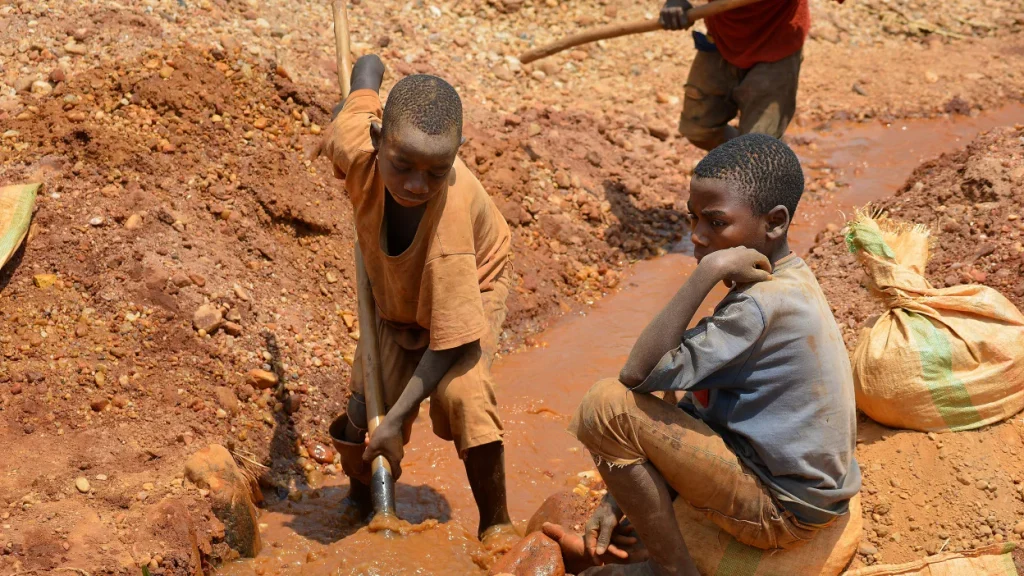
He said that although the ministry had a clear policy on the elimination of child labour, monitoring specialised sectors such as mining remained primarily the responsibility of the agencies and authorities regulating those activities.
He said legal mining operations must meet prescribed criteria, while local and state authorities should report illegal mining activities to enable the relevant security agencies to intervene.
The statement further explained that the latest available national survey by the National Bureau of Statistics (NBS), show that 24.7 million children aged five to 17, representing 39.2 per cent, were engaged in child labour in 2022, while 14.4 million, or 22.9 per cent, were involved in hazardous work.
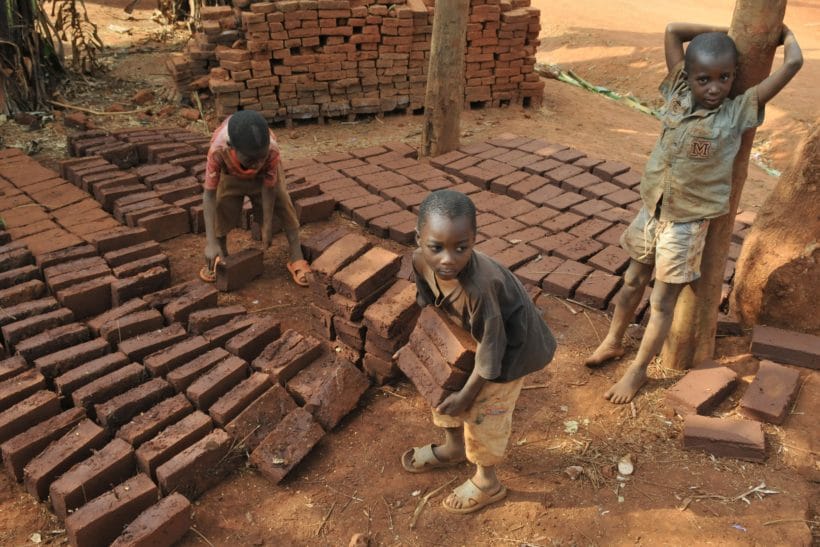
It points that Child labour was higher in rural areas, at 44.8 per cent, compared to 30 per cent in urban areas, adding that Nigeria’s legal framework prohibits child labour and hazardous work, according to Section 34 of the 1999 Constitution, that protects the dignity of the human person, while the Child Rights Act 2003, particularly Section 28, prohibits children from hazardous employment.
Nigeria has also ratified ILO Conventions 138 on minimum age and 182 on the worst forms of child labour, which require measures to eliminate child labour and protect children from hazardous work.
The permanent secretary stated that the ministry would take appropriate action whenever cases of child labour are reported, especially where children are engaged in street trading, hazardous domestic work or other forms of exploitation.
CALL FOR ACTION
Now the last statement elicits mixed reactions among the public, stakeholders and civil rights bodies. While FG indicates need to take appropriate actions, remarks from the public say different.
Reactions from the public after the death of 37 victims in a custody, indicate that government is not doing enough or perhaps, non-chalant in the plight of the vulnerable.
While some say, the current administration is too busy playing politics with pertinent issues like this, some indicted influential persons in the society who impede policy implementation for their personal interests.
A call for action should be seen beyond rhetoric. It is a call to action and serious appeal to save the lives of the vulnerable. Beyond the rural and urban child labour statistics, unconfirmed data survey shows child labour is physically higher in the urban.
Children and minors are extensively engaged in life threatening duties by guardians or self induced. Government should address the out-of-school children challenge. It is an endemic situation that requires immediate action than wait on policy implementation.
Some thought group has it that, government has not done enough in the area of proper youth engagements in empowerment schemes.
The Ministry explained that government operates through different ministries, departments and agencies with distinct responsibilities, stressing that effective enforcement of the national policy on the elimination of child labour requires collaboration among the relevant institutions.
The question remains, ‘how intentional has government been in collaborating with the relevant bodies to halt the child labour phenomenon?’
#UNICEF
#ILO
#Nigerianchild
#MinistryofLabourandEmployment
#newsnow.africa
#Globalrightsorganusation