


Nigeria cannot develop if girls are denied education – Minister
By Chris Onuoha
The Minister of Women Affairs and Social Development, Imaan Sulaiman-Ibrahim, has decried the rate of child marriage in the country, saying Nigeria cannot achieve sustainable development if girls are denied access to education because of child marriage and other barriers.
The minister stated that girls education is very vital to economic growth, poverty reduction, improved public health and national development.
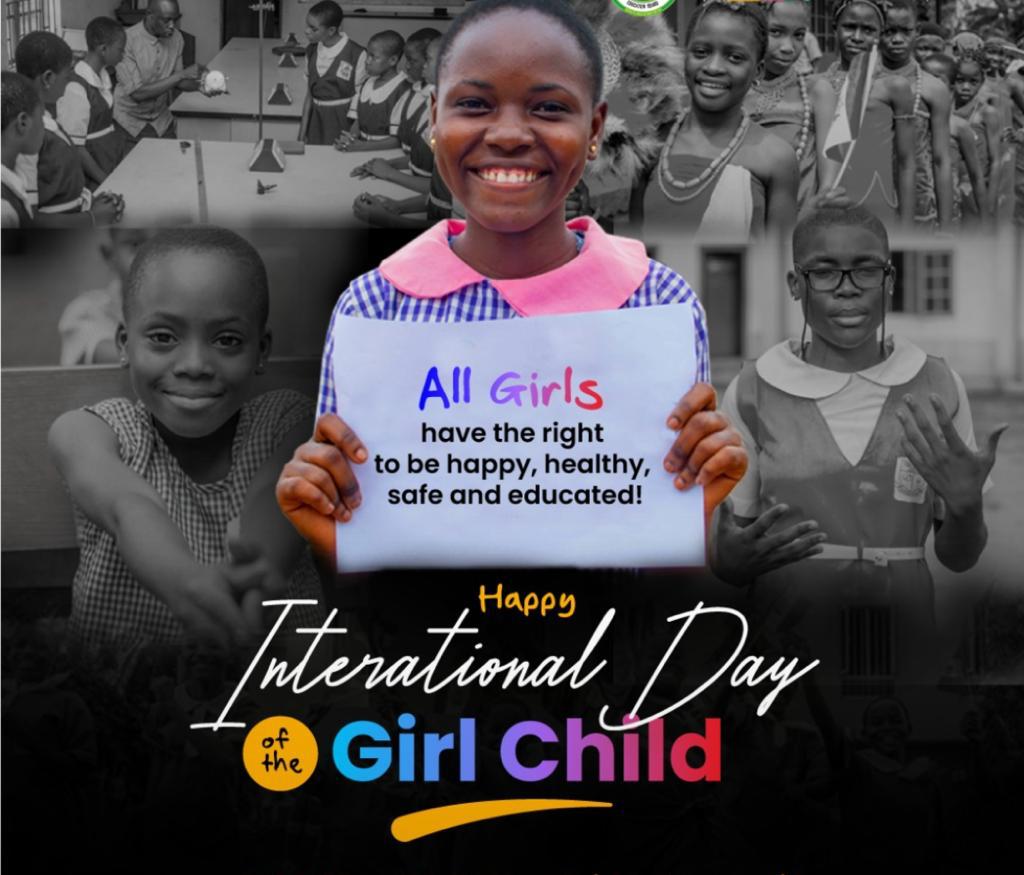
Speaking on Tuesday in Kano during the commemoration of the 2026 International Day of the Girl Child and the launch of the National Strategy and Costed Action Plan on Ending Child Marriage in Nigeria (2025-2030), Sulaiman-Ibrahim noted that the country must invest in girls’ education and protect them from early marriage to enable them to contribute meaningfully to society.
She further stressed that no country can develop sustainably while a significant part of its population is denied the chance to acquire knowledge, skills and competencies.
Ibrahim said child marriage often interrupts girls’ education, exposes them to early pregnancy and health risks, and limits their economic independence.
She identified poverty, insecurity, school exclusion, harmful traditional practices, gender discrimination and inadequate social protection as some of the factors pushing girls into early marriage.
She pleaded that ending the practice required a coordinated effort by governments, families, traditional and religious leaders, civil society organisations and development partners.
Also speaking, the Chief of UNICEF Field Office in Kano, Mr Shafeeq Ur-Rehman, represented by Mona Aika, Chief of Child Protection said child marriage continued to threaten girls’ rights, education and future opportunities.
He said the 2024 Nigeria Demographic and Health Survey showed that 39 per cent of girls in Kano were married before the age of 18, compared with the national average of 33.4 per cent.
Ur-Rehman said ending child marriage required tackling poverty, gender inequality and harmful social norms, while ensuring that girls remained in school and families had access to healthcare and child protection services.
He urged state governments to back the newly launched national strategy with adequate funding and effective implementation.
“A costed plan must become a financed and implemented plan, reflected in state priorities, budgets, strong services and measurable results,” he said.

He assured that UNICEF would continue working with governments, development partners and communities to protect girls and help them realise their potential.